
Back pain during pregnancy is one of the most common discomforts expectant mothers report. It is also one of the most treatable. Between 50 and 70 percent of pregnant women experience back pain at some point, and for many of them it becomes a daily distraction. Understanding what causes the pain, how to prevent it, and when to ask for professional help can make a meaningful difference in how you feel over the next several months.
How Common Is Back Pain During Pregnancy?
Back pain during pregnancy is extremely common. A widely cited research review found that about 50 percent of pregnant women will experience some kind of low back pain during their pregnancy. Other estimates put the number even higher, with between 50 and 70 percent of pregnant women reporting back pain overall. The exact figure depends on how pain is measured, but the pattern is clear. You are not alone, and you do not have to simply accept the discomfort.
What Causes Back Pain During Pregnancy?
Hormones, extra weight, and a shifting center of gravity are the main reasons back pain develops during pregnancy. Each change on its own is manageable, but together they place real strain on the spine, pelvis, and the muscles that support them. The sections below break down each factor and explain why your lower back often feels the effects most strongly.
Hormones Make Joints and Ligaments More Flexible
During pregnancy, hormones relax the connective bands of tissue, called ligaments, in the joints of the pelvis. This loosening prepares your body for labor, but it comes with a cost. When ligaments loosen and stretch, they place extra strain on the joints. If the joints become too flexible, the spine must work harder to stay stable, and that added effort can create aches in the lower back.
Extra Weight Shifts Your Center of Gravity
Weight gain is a natural part of pregnancy, but it changes how your body stays balanced. As your center of gravity moves forward, the lower back has to compensate. The muscles along the spine work harder to keep you upright, which can lead to soreness and fatigue. Even routine actions like standing, walking, or sitting for longer stretches can become more tiring when the body is carrying extra weight.
Abdominal Muscles Stretch and Weaken
The muscles in your stomach area that normally support the spine stretch and weaken as the baby grows. With less support coming from the front of the body, the load shifts to the back. This is why posture becomes so important. Small adjustments can help the spine stay aligned, reduce pressure on the pelvis, and give overworked back muscles a chance to recover.
When Back Pain May Signal a Bigger Issue
Most back pain during pregnancy is not a cause for concern, but there are times when pain needs attention. Back pain can be a symptom of preterm labor. Pain can also be a sign of a urinary tract infection. If you notice back pain that feels severe or unusual, or if you have any other symptoms that worry you, reach out to your healthcare provider for guidance.
What Helps Relieve Back Pain During Pregnancy?
The good news is that you can often prevent or ease back pain during pregnancy with practical habits. Many clinicians recommend a combination of good posture, physical activity, and complementary therapies. The strategies below are some of the most commonly suggested approaches, but it is always a good idea to review them with your provider before making changes.
Practice Good Posture
Posture tends to change as your belly grows and your center of gravity shifts. Practicing good posture can help the spine support the extra weight more efficiently. When standing, try to keep your shoulders back and your weight evenly distributed. When seated, choose a chair that supports your lower back. Posture alone will not erase all discomfort, but it reduces unnecessary strain over time.
Get the Right Gear
Supportive equipment can make daily life easier during pregnancy. Maternity support belts are one option that healthcare providers sometimes recommend because they help lift some of the weight from the lower back. Supportive shoes and other comfort items can also help you stay active without aggravating your back. If you are unsure whether a product will help you, ask your provider for a recommendation.
Lift Properly
Lifting during pregnancy requires extra caution because the joints are more flexible and the back muscles are carrying more load. When you pick something up, bend at the knees instead of the waist, hold the item close to your body, and avoid twisting. If an object feels too heavy, ask for help. Protecting your back during small daily tasks prevents pain from building up over time.
Sleep on Your Side If Possible
Sleeping on your side can take pressure off your lower back. Many women find that positioning pillows around the belly and between the knees helps the spine stay aligned overnight. If you usually sleep on your back and it becomes uncomfortable as your body changes, side sleeping is worth trying. Comfort is individual, so focus on a position that helps you rest without added pain.
Stay Physically Active
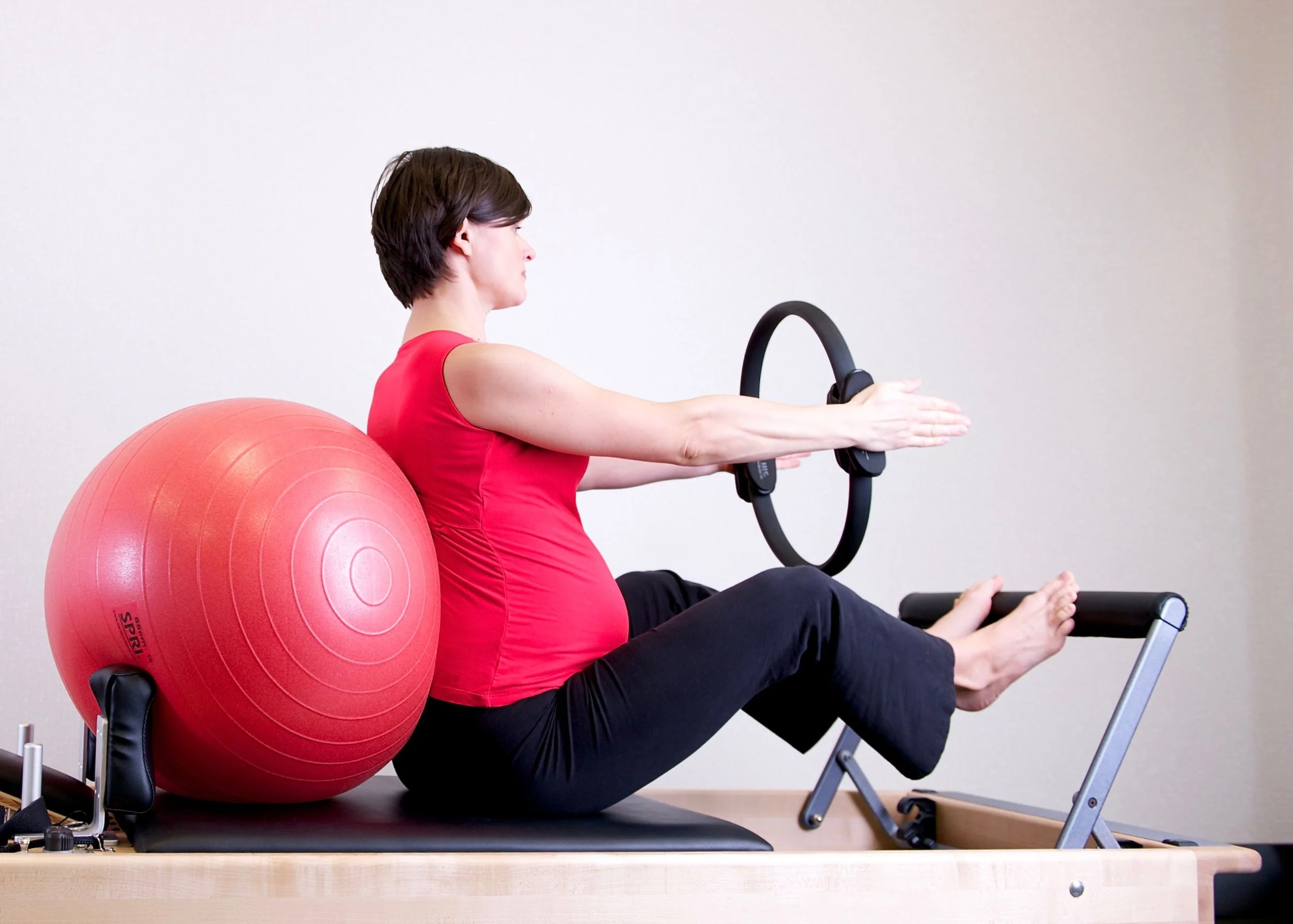
Physical activity is part of the standard relief plan for pregnancy-related back pain. Gentle movement can keep the muscles that support the spine from becoming stiff and weak. That said, every pregnancy is different. Ask your obstetric provider which forms of exercise are appropriate for you, and listen to your body if an activity causes pain. Movement should feel helpful, not punishing.
Use Rest, Heat, and Support Belts
When back pain flares up, rest is often the first line of defense. Healthcare providers may also suggest using a heating pad and a pregnancy support belt to ease discomfort at home. Heat can relax tense muscles, while a support belt can take some weight off the lower back during daily activities. Check with your provider before using heat or any new support device during pregnancy.
When to See a Chiropractor for Back Pain During Pregnancy
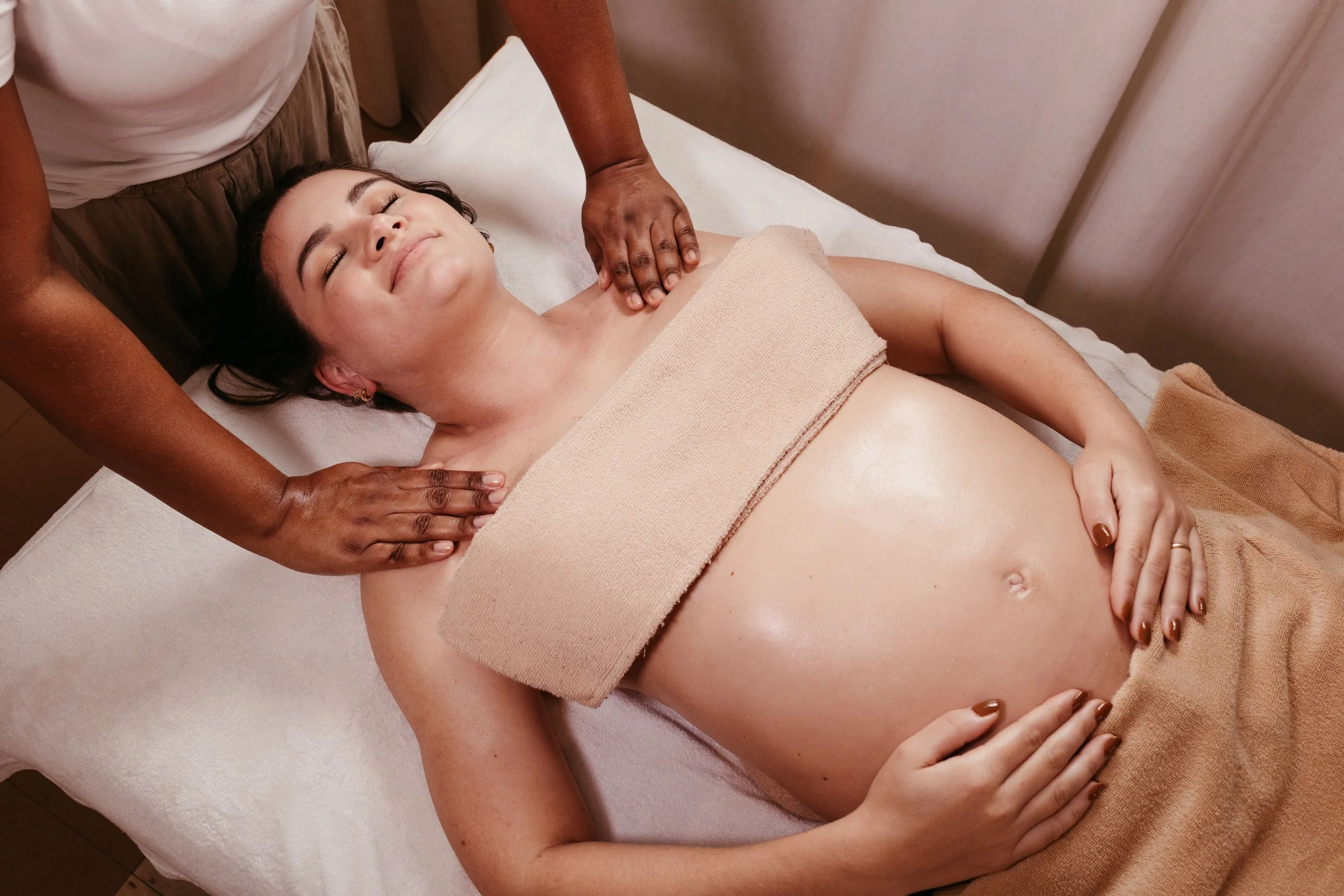
Chiropractic care is one of the complementary therapies that pregnant women explore when back pain becomes hard to manage. Because pregnancy changes the spine, pelvis, and posture, some women find that manual care helps them move and rest more comfortably. If you are thinking about chiropractic care, start the conversation with your obstetric provider. Chiropractic treatment is not appropriate for every pregnancy, and your prenatal care team should know about any therapy you add.
If you and your provider agree that chiropractic care makes sense, look for someone with experience treating pregnant patients. Tell the chiropractor how far along you are and describe your pain clearly. Expect the treatment approach to be adjusted to your changing body. A careful provider will ask about warning signs, coordinate with your other clinicians, and modify techniques so you remain comfortable throughout the process.
When to Talk to Your Provider About Back Pain
Back pain deserves attention at any stage of pregnancy. If it limits your ability to sleep, work, or move, mention it at your next prenatal visit. Do not wait if the pain is severe or if you think it could be connected to preterm labor or an infection. Your provider can recommend safe treatments, refer you to a specialist, and help you separate normal strain from something that needs a closer look.

Frequently Asked Questions
Is lower back pain normal during pregnancy?
Yes. Estimates show that between 50 and 70 percent of pregnant women experience back pain during pregnancy. Hormones loosen the ligaments, extra weight shifts your center of gravity, and abdominal muscles stretch and weaken. Those changes place added strain on the spine and pelvis. While the pain is common, it should not be dismissed. If it limits daily activity or becomes severe, talk with your provider.
When should I worry about back pain during pregnancy?
Most pregnancy-related back pain is not a cause for concern. However, back pain can be a symptom of preterm labor, and it can also be a sign of a urinary tract infection. If your pain feels different from typical muscle aches, if it is severe, or if you simply feel uneasy, contact your obstetric provider promptly. A quick check can provide clarity and peace of mind.
What can I do at home to relieve back pain during pregnancy?
You can often prevent or ease back pain by practicing good posture, lifting properly, sleeping on your side, and staying physically active. Some pregnant women also find relief by resting, using a heating pad, and trying a pregnancy support belt. Ask your provider before starting any of these approaches, especially heat therapy or new exercise. Professional guidance helps you choose the safest options for your pregnancy.
Should I tell my doctor before seeing a chiropractor during pregnancy?
Yes. Chiropractic care is considered a complementary therapy, and your obstetric provider should know about every treatment you use during pregnancy. This open communication helps ensure that the care you receive is appropriate for your stage of pregnancy and medical history. If you and your provider agree that chiropractic care is safe, choose a chiropractor experienced with pregnant patients and keep your whole care team informed about your progress.